Caring for Wood Decks and Fences in the Winter: How to Protect Your Investment
Snow, ice, and freezing temperatures can wreak havoc on outdoor wood structures. Without proper winter maintenance, a wood deck or fence can crack, warp, rot, or deteriorate long before its time.
Your outdoor features are exposed to the harshest elements during the coldest months, which makes winter one of the most damaging seasons for your investment. Moisture seeps in, freezes, and expands, turning minor vulnerabilities into major structural issues. The longer it’s ignored, the more damage it causes, not just to your deck or fence, but to the overall value and safety of your home. Fortunately, smart seasonal deck maintenance and fence care can prevent long-term damage and extend the life of your outdoor spaces.
Let’s explore how winter care protects your property value and helps you avoid costly repairs in the future. A few preventative steps now can save you thousands down the line, not to mention the hassle of unexpected spring repairs. Whether you’re planning to stay long-term or preparing to sell, protecting your woodwork is protecting your investment.
Why Winter Maintenance Is Critical for Wood Deck and Fence Longevity
Winter puts your wood deck and fence under more stress than any other season. Cold temperatures, shifting moisture levels, and extreme weather events all target wood’s natural vulnerabilities. Left unchecked, these factors accelerate deterioration, undermine structural integrity, and shorten the lifespan of your investment.
More than just cosmetic damage, the toll winter takes can lead to hidden issues that only surface when it’s too late—and too expensive—to fix easily. Understanding how winter affects your outdoor wood features helps you make smarter deck maintenance decisions and long-term fence care plans.
Moisture Damage and Rot Prevention
Winter’s wet conditions don’t just sit on the surface. Snowmelt and freezing rain soak into unprotected wood, especially during prolonged cold snaps. Once moisture enters, it compromises the internal fibres of your wood deck and fence boards. Over time, this can lead to swelling, splitting, and rot from the inside out.
Unlike summer rain, winter moisture tends to linger, giving wood less time to dry between exposures. When this cycle continues unchecked, it erodes the natural resilience of even treated lumber, increasing the need for vigilant deck maintenance and ongoing fence care.
Freezing and Thawing Cycles
Every freeze-thaw cycle creates subtle but cumulative damage. As moisture trapped in wood freezes, it expands, creating internal pressure. When temperatures rise, the contraction doesn’t always reset cleanly, especially if cracks have already begun to form.
Over the course of a single Ontario winter, this cycle repeats dozens of times, increasing the risk of surface fractures and deep structural weakness that can go unnoticed until a board breaks or a wood deck railing gives way. This is where proactive deck maintenance makes all the difference.
Hardware and Structural Integrity
It’s easy to focus on the appearance of your wood deck, but winter stress often hits deeper. Frost heave can shift soil beneath footings, tilting posts or misaligning supports. Fasteners and joints contract and expand with temperature swings, loosening their grip or warping their fit.
These structural shifts compromise the safety and stability of your outdoor spaces, turning what was once a sturdy build into a hidden liability. Effective fence care and routine deck maintenance help catch these issues early before a small shift becomes a major repair.
5 Signs Your Deck and Fence May Be at Risk This Winter
Even if your wood deck or fence appears intact at a glance, winter can expose hidden vulnerabilities. Recognizing the early signs of seasonal wear helps you decide when to call in a professional for an assessment or when it’s time to consider a full replacement.
1. Soft, spongy wood that indicates internal rot
If boards or posts feel soft underfoot or to the touch, moisture has likely penetrated deep into the wood. Over time, this weakens load-bearing capacity, accelerates internal breakdown, and significantly compromises structural integrity, making advanced decay more likely and safety risks harder to ignore.
2. Cracks or warping in boards and railings
Warped or cracked wood is a telltale sign that freeze-thaw cycles have taken their toll. As temperatures fluctuate, these flaws widen, allowing moisture to penetrate deeper and accelerating deterioration, which can weaken railings and compromise overall stability if left unaddressed.
3. Rusted, loose, or missing fasteners
Nails, screws, and brackets affected by corrosion or seasonal movement can weaken the entire structure over time. As fasteners loosen or go missing, boards may shift and supports lose tension, making a closer inspection essential to prevent further instability and potential safety concerns.
4. Fence posts leaning or shifting out of alignment
Frost heave can cause posts to tilt or lift from the ground as soil expands and contracts beneath them. When this happens, the fence’s load distribution changes, putting stress on connected panels and signalling that the foundational support is no longer stable or reliable.
5. Surface splitting or lifting at joints and seams
Expansion and contraction through winter can cause seams to separate and surfaces to splinter, especially in unsealed or aging wood. These openings invite moisture penetration and accelerate internal decay, reducing overall durability and significantly increasing the risk of breakage under pressure, foot traffic, or shifting snow loads.
If you spot these issues, your structure may no longer be safe or sound. While minor wear is expected, extensive or recurring damage often signals that it’s time to upgrade. Luxe Landscape & Construction can help replace aging decks and fences with durable, winter-ready designs built to last.
Winter Fence and Deck Maintenance Tips
Good seasonal deck maintenance doesn’t have to be complicated or time-consuming. In fact, it’s the small, simple habits that often make the biggest impact. When winter hits, your wood deck and fencing are on the front lines, facing moisture, cold, and shifting ground. A little proactive attention now prevents big headaches later.
Here are some quick steps you can take:
- Sweep off leaves and debris before snowfall
- Inspect for signs of rot or damage
- Apply a protective wood sealant
- Tighten loose fasteners
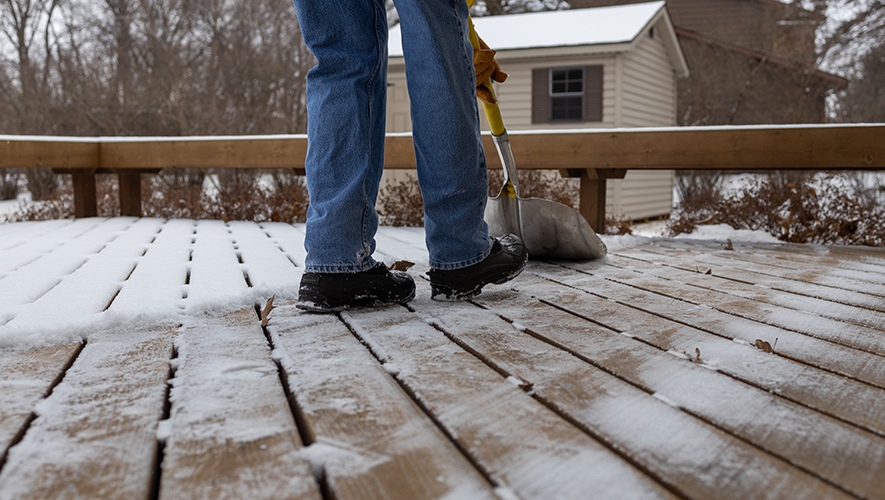
- Use a broom (not a shovel) to clear snow
These easy steps help defend your wood deck and support consistent fence care through even the harshest months. With just a bit of effort, you can avoid expensive repairs, prevent long-term damage, and enjoy peace of mind all season long, knowing your outdoor structures are ready to withstand winter’s worst.
How Luxe Landscape & Construction Protects Outdoor Living Spaces
Your outdoor wood structures are an investment—and winter is their biggest test. At Luxe Landscape & Construction, we specialize in expertly crafted wood decks and fences built to stand up to harsh Canadian weather and last for years with minimal upkeep.
Every project we take on combines durable materials, precision craftsmanship, and thoughtful design to create outdoor features that are as strong as they are stunning. Whether you’re enhancing your backyard or upgrading curb appeal, we’re the team you can trust to deliver lasting quality from the ground up.
For more information about our wood decks, reach out to Luxe Landscape & Construction today at 289-800-7124 or contact us online.
Frequently Asked Questions
Can snow really damage a wood deck?
Yes. Accumulated snow and trapped moisture can lead to rot and structural weakening.
Should I shovel snow off my deck?
Yes, but use a plastic shovel or broom to avoid scraping the wood surface.
Is it too late to seal my deck in winter?
It is best to seal in the fall before freezing temperatures, but mild winter days may allow for treatment if conditions are right.
Do fences need winter maintenance too?
Absolutely. Snow, wind, and frost can shift posts and wear down treated wood.
How often should I inspect my deck and fence in the winter?
Aim for a quick inspection every few weeks, especially after major snowfalls or storms. Catching issues early helps preserve your wood deck and ensures your fence care stays on track.