Modern Fire Pits: Form, Function, and Property Value
A modern fire pit can change how a backyard is used. Instead of treating the patio as a fair-weather feature, homeowners can create a gathering point that feels inviting in the evening, during cooler weather, and throughout more of the year.
The appeal comes from the balance between design and performance. A fire feature should look like it belongs in the landscape, produce enough heat for the way the space will be used, and add long-term value to the outdoor living area. The 2023 Remodelling Impact Report from the National Association of Realtors and the National Association of Landscape Professionals found that outdoor upgrades can increase homeowner enjoyment and influence perceived value, especially when they improve usable living space.
For homeowners planning a backyard upgrade, the right fire feature is not just decorative. It becomes part of the layout, the seating plan, the evening routine, and the overall feel of the property.
How Modern Fire Pit Design Enhances Form, Function, and Property Value
A well-planned fire pit has to do more than look good in a design rendering. Heat output, fuel type, materials, safety, seating flow, and surrounding hardscaping all affect whether the feature becomes a favourite part of the yard or an expensive object that rarely gets used.
The strongest designs connect comfort, style, and practical use.
Design Aesthetics and Visual Appeal
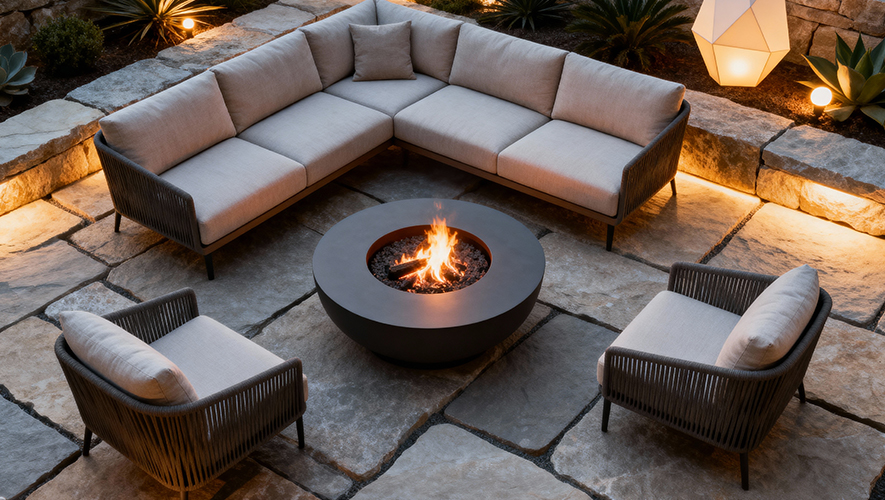
A fire pit often becomes the visual anchor of an outdoor living space. It draws attention, gives furniture a natural place to gather, and helps define the patio as a destination rather than leftover space beside the house.
The style should suit the home and landscape. A modern property may call for clean concrete, linear forms, smooth stone, or metal accents. A more rustic yard may suit natural stone, textured masonry, or warmer finishes. Minimalist designs can work beautifully when the rest of the landscape uses simple planting, open sightlines, and restrained materials.
The goal is cohesion. A fire feature that clashes with the house, patio, or planting plan can feel added on. A design that repeats shapes, colours, or materials from the surrounding landscape feels intentional.
Heat Output and Performance Efficiency
Heat output affects comfort. A fire feature that looks impressive but produces too little warmth may only work as decoration. A model with too much flame or heat for the space can feel uncomfortable or impractical.
BTU ratings are often used to measure heat output for gas fire features. Higher BTU ratings generally indicate greater heat potential, although comfort also depends on wind, seating distance, burner design, flame height, and the openness of the space. Fire pit guidance commonly notes that BTU output influences warmth, flame intensity, and the area the feature can help heat.
Fuel choice matters too. A propane burner can offer convenience, cleaner operation, and controlled flame settings. Natural gas may suit homeowners who want a connected fuel source where available. Wood-burning designs offer a traditional flame and stronger campfire atmosphere, but they require more cleanup and may be affected by local rules.
Functional Features and Usability
The more often a fire pit will be used, the more usability matters. Ignition systems, flame control, shut-off access, burner placement, protective covers, and drainage can all affect day-to-day convenience.
Gas designs are especially appealing for homeowners who want a quick start and easy shutdown. Wood-burning features may be better for those who enjoy the ritual of building and tending a fire. Neither option is automatically better for every backyard. The right choice depends on the homeowner’s habits, patience for maintenance, desired atmosphere, and available space.
Safety should be part of the design from the beginning. Clearances, ventilation, stable surfaces, seating distance, and fuel connections all need careful planning. CSA Group notes that the Natural Gas and Propane Installation Code is incorporated into regulations across Canadian provinces and territories, which reinforces why gas features should be planned and installed with proper technical care.
Integration With Outdoor Living Spaces
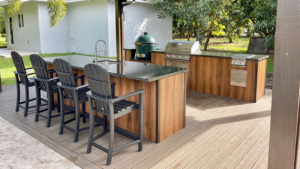
A fire pit works best when it is connected to the way the yard is used. It may sit at the centre of a lounge area, beside an outdoor kitchen, near a dining space, or at the edge of a patio overlooking the garden.
Seating should feel natural, not forced. There needs to be enough room for chairs, movement, serving surfaces, and safe distance from the flame. The surrounding hardscaping should also support the feature, especially if the patio needs to handle heat, furniture weight, foot traffic, and changing weather.
Seasonal use is another consideration. With the right layout, a fire area can make spring and fall evenings more comfortable while giving the backyard a stronger purpose after sunset.
Impact on Property Value and ROI
Outdoor living features can improve property appeal because they make the backyard feel more finished and usable. A fire feature may not guarantee a specific return, but it can contribute to the impression of a well-designed outdoor space.
Value depends on quality, placement, materials, safety, maintenance needs, and how well the feature fits the rest of the property. A carefully built fire area with strong seating flow and durable finishes is more likely to support long-term appeal than a feature added without a clear plan.
Homeowners should think about return in two ways: potential resale appeal and everyday enjoyment. A backyard that gets used more often can provide value long before a home is ever listed.
Customization Options for Modern Fire Pits
Modern fire features can be highly personalized. Options may include built-in masonry units, fire bowls, linear fire features, round gathering-style designs, propane burner systems, natural gas setups, or wood-burning layouts.
Shape, height, material, fuel type, seating arrangement, and flame style all influence the final look. A fire bowl may suit a sculptural focal point, while a built-in stone unit may feel more permanent and architectural. Linear designs can pair well with contemporary patios and lounge seating.
Customization should be guided by use. A homeowner who hosts large groups may need a different setup than someone who wants a quiet two-chair retreat.
Choosing the Right Fire Pit for Your Backyard
Start with the space. A compact patio may need a smaller feature with careful seating placement, while a large yard may allow a built-in fire area with surrounding walls, lighting, and layered planting.
Budget, fuel access, maintenance expectations, and local regulations should also shape the decision. Propane can offer flexibility and strong convenience. Natural gas may work well when a proper connection is available. Wood creates a classic atmosphere but requires storage, cleanup, and attention to local burning rules.
Professional planning helps homeowners avoid common mistakes, such as choosing a feature that overwhelms the patio, produces the wrong level of heat, or disrupts movement through the yard.
Why Professional Landscape Design Matters for Fire Pit Installation
A fire pit should be designed as part of the full landscape, not treated as a standalone purchase. Professional planning can account for layout, materials, drainage, clearances, seating, lighting, fuel type, and how the feature connects to patios, walkways, planting, and outdoor kitchens.
Durability also depends on craftsmanship. Stone, concrete, metal, and masonry details need to hold up to heat, weather, and regular use. Poor placement or weak construction can create maintenance problems and reduce the feature’s long-term appeal.
Luxe Landscape & Construction can help homeowners think through the design, performance, and construction details that make a fire feature feel like a natural part of the backyard.
Elevate Your Outdoor Space With a Modern Fire Pit
A modern fire pit can bring warmth, atmosphere, structure, and long-term appeal to an outdoor living space. The best designs balance visual style, heat output, safety, usability, fuel choice, and integration with the surrounding landscape.
At Luxe Landscape & Construction, we offer landscaping and outdoor construction services that can help homeowners create outdoor spaces designed for comfort, entertaining, and everyday enjoyment.
Reach out to Luxe Landscape & Construction today at 289-800-7124 or contact us online.
Frequently Asked Questions About Fire Pits
What type of fire pit produces the most heat?
Wood-burning fire pits often produce strong heat and a traditional flame experience, but heat output varies based on wood type, design, airflow, and fire size. Gas fire features use BTU ratings to indicate heat output, with higher ratings generally producing more warmth. Propane and natural gas options can both work well when matched to the size and purpose of the space.
Are propane fire pits better than wood-burning ones?
Propane fire pits are convenient, easier to start, and usually simpler to shut down and maintain. Wood-burning designs offer a classic fire experience, stronger aroma, and a more traditional atmosphere, but they require more cleanup and fuel storage. The better option depends on the homeowner’s lifestyle, maintenance preferences, and intended use.
Do fire pits increase property value?
A well-designed fire feature can increase the appeal of an outdoor living space, especially when it is integrated with patios, seating, landscaping, and other backyard features. The exact value impact depends on the property, market, design quality, and buyer preferences. Many homeowners also view a fire feature as a lifestyle investment because it makes the yard more comfortable and usable.
How safe are modern fire pits?
Modern fire features can be safe when they are properly designed, installed, and used. Safety depends on fuel type, clearances, ventilation, surface materials, flame control, and placement away from combustible materials. Homeowners should follow manufacturer instructions, local regulations, and professional installation guidance.
Can fire pits be customized to match landscape design?
Yes. Fire features can be customized through material, size, shape, height, fuel type, burner style, seating layout, and surrounding hardscaping. Options such as fire bowls, built-in stone features, and modern linear designs can be tailored to suit different backyard styles. Professional landscape design helps the feature feel connected to the rest of the outdoor space.