Winter Maintenance 101: A Guide for Interlocking Pavers in Oakville
Winter in Oakville can be beautiful, but also brutal, especially on your interlocking pavers. Snow, ice, and de-icing agents may keep your paths safe, but they can also wreak havoc on your stone driveway. Cracks, shifting, and surface damage often follow a season of neglect. What starts as a little frost can quickly escalate into serious damage, compromising both the safety and appearance of your property. Whether your interlock is newly installed or several years old, how you care for it this winter will determine how it performs for seasons to come. That’s why proper winter maintenance isn’t just a nice-to-have. It’s essential.
If you want your pavers to last and your curb appeal to stay strong, now is the time to act. With a few smart preventative steps, you can shield your driveway from the worst of winter and avoid expensive repairs down the line.
Why Winter Maintenance Matters for Interlocking Pavers
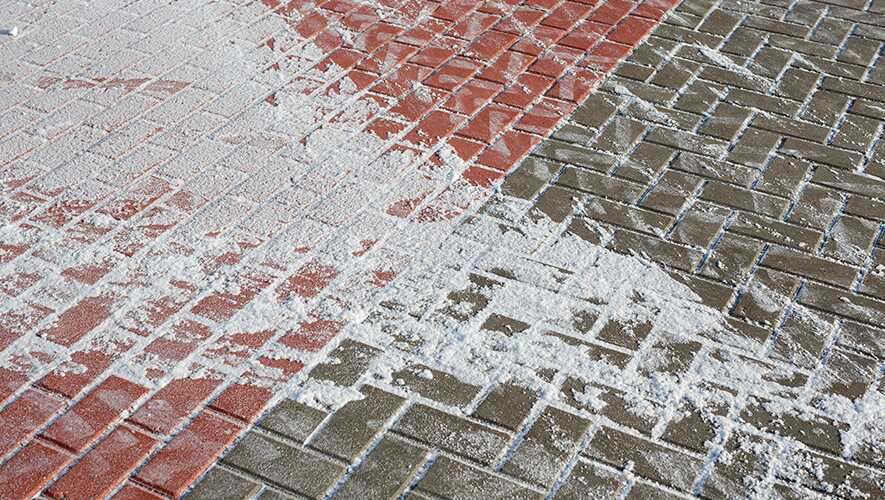
As winter settles in and temperatures swing between freezing and above-freezing, trapped moisture in your interlocking pavers expands and contracts. This freeze-thaw cycle is one of the most damaging forces your hardscape will face, causing pavers to lift, crack, or shift out of place. When left unchecked, these problems compromise not just the look of your stone driveway, but also its safety and structural integrity.
That’s why consistent winter maintenance is so valuable. Compared to the cost of repairing or replacing sections of your driveway in the spring, preventive care is the smarter, more affordable route. Beyond saving money, proper upkeep protects your investment, maintains curb appeal, and ensures your property stays safe through the harshest months. A well-maintained interlock surface not only looks better, but also lasts longer and performs better, no matter what winter throws its way.
How to Protect Your Interlock Driveway from Salt, Snow, and Ice
Avoid Harsh Salts and De-Icers
Rock salt may melt ice fast, but it’s no friend to interlocking pavers. Chloride-based salts can erode the surface and destabilize the sand-filled joints. Instead, opt for calcium magnesium acetate or plain sand, as both provide traction without corroding your stone. Avoid products containing ammonium nitrate or sulphate, which can quickly break down the material.
Use Plastic or Rubber-Bladed Shovels
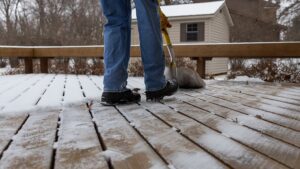
Metal blades are great at scraping ice, but they’re brutal on pavers. One wrong move and you’re chipping the edges or dislodging stones. Use plastic shovels or rubber-edged snow pushers instead. These tools clear snow effectively without risking damage to your stone driveway.
Seal Your Pavers Before Winter
A high-quality sealant acts like a raincoat for your interlocking pavers, creating a barrier against moisture, salt, and grime. This reduces the risk of staining, erosion, and cracking during winter. For best results, reseal every two to three years. If your driveway sees high traffic or tough weather, you should do it more frequently.
Maintain Proper Drainage
Poor drainage is one of the biggest threats to any hardscape in winter. If meltwater pools or flows toward your pavers, it increases the risk of freeze-thaw damage. Check your slopes, gutters, and nearby drains before winter sets in. Ensure water moves away from your stone driveway, not toward it.
Regular Snow Removal
Don’t let snow sit and melt repeatedly. This leads to ice buildup and moisture infiltration. Clear your driveway early and often, ideally before it gets packed down by foot or vehicle traffic. Staying on top of snow clearing is one of the simplest and most effective forms of winter maintenance for interlock surfaces.
Why Choosing Expert Interlock Services Matters in Winter
Winter is one of the toughest tests for your interlock surfaces. Snow, ice, and freeze-thaw cycles can wreak havoc on poorly maintained or improperly treated pavers. The wrong type of de-icer, or aggressive shovelling with metal tools, can lead to surface erosion, joint destabilization, and even costly shifting of the stones. Without the right care, your investment can quickly deteriorate. That’s why expert interlock services aren’t just a luxury; they’re a necessity.
Unlike general contractors, interlock specialists consider the long-term health of your hardscape, not just short-term convenience. They assess drainage patterns, monitor for heaving or settling, and provide preventive maintenance to extend the lifespan of your stone driveway or walkway.
When you choose expert interlock services, you can expect fewer repairs in spring, enhanced curb appeal year-round, and long-term protection of your property’s value. Trusting winter interlock care to professionals means peace of mind, knowing your surfaces are protected by those who truly understand them.
Protect Your Stone Driveway with Luxe Landscape & Construction
Oakville winters are tough, but your interlock driveway doesn’t have to suffer. With the right winter maintenance routine—and expert support from Luxe Landscape & Construction—your interlocking pavers can withstand the harshest elements and retain their beauty, structure, and safety all season long.
Our team brings years of specialized experience in interlock installation, care, and seasonal maintenance. We don’t just clear snow, but also protect your investment with professional-grade tools, materials, and techniques designed specifically for stonework. From proper de-icing to damage prevention, we ensure your driveway holds up beautifully through freeze and thaw.
To learn more about our interlocking paver services, call Luxe Landscape & Construction today at 289-800-7124 or contact us online.
FAQ: Interlocking Pavers and Winter Maintenance
How often should I reseal my stone driveway?
Every 2-3 years, or more often if the area experiences high traffic or extreme conditions.
What if my pavers shift during winter?
Contact a professional early, as minor shifts can be corrected before they become major problems.
Does snow removal damage interlock?
It can, especially with metal blades. Use rubber or plastic tools and avoid scraping too aggressively.
How do I know if my interlock has winter damage?
Look for lifted or sunken pavers, widened joints, or cracking; these are signs of freeze-thaw damage.
Are snow blowers safe for interlock driveways?
Yes, if they have adjustable skid shoes and are used gently. Avoid scraping too close to the surface.
What’s the best time to prepare my interlock for winter?
Late summer to early fall is ideal. This allows time for inspections, repairs, and sealing before freezing weather sets in.